Study Design
8 posts tagged with “Study Design”
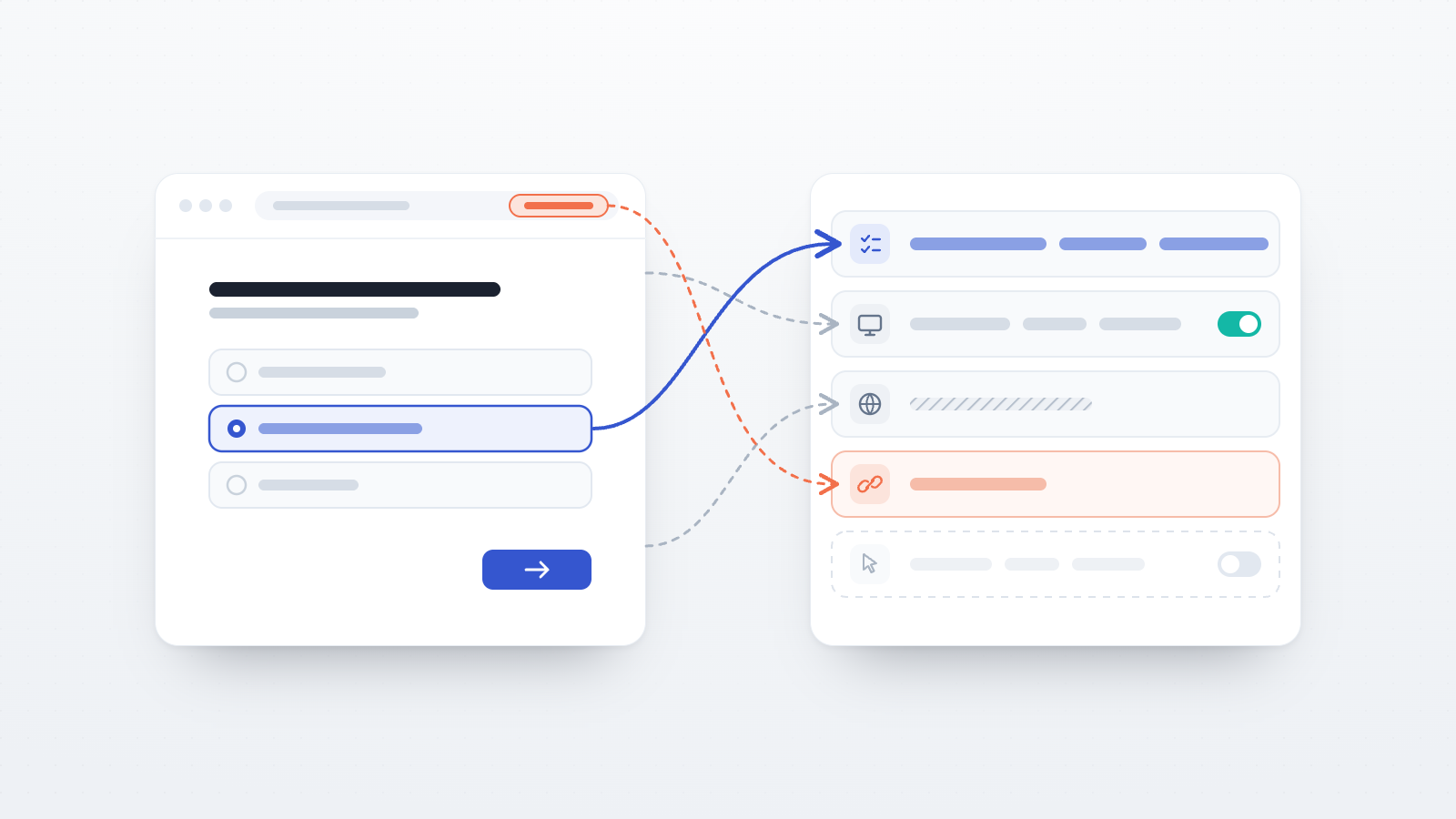
A researcher's guide to GDPR-compliant online data collection
An overview of the GDPR provisions that apply to a browser-based study: who is responsible for the data, which legal basis to use, what participants must be told, what an online study records without being asked, where the data are stored, and what to put in an ethics application.
5 October 2026
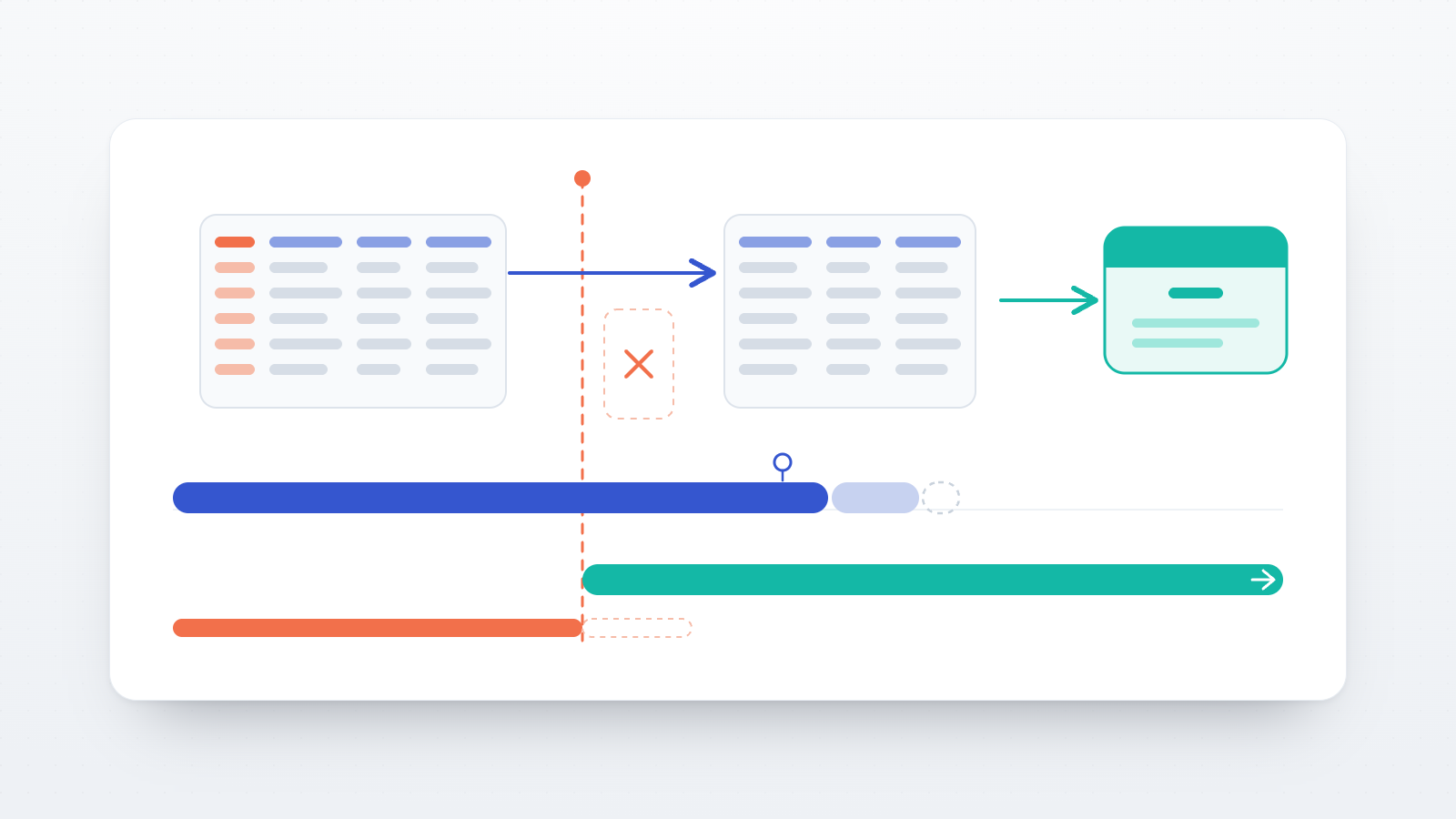
Data retention and the right to erasure in practice
How long study data may be kept, when a participant can have it deleted, and where the research exceptions in the GDPR apply. With the retention and deletion options in Open Lab, and what to write in an ethics application.
5 October 2026
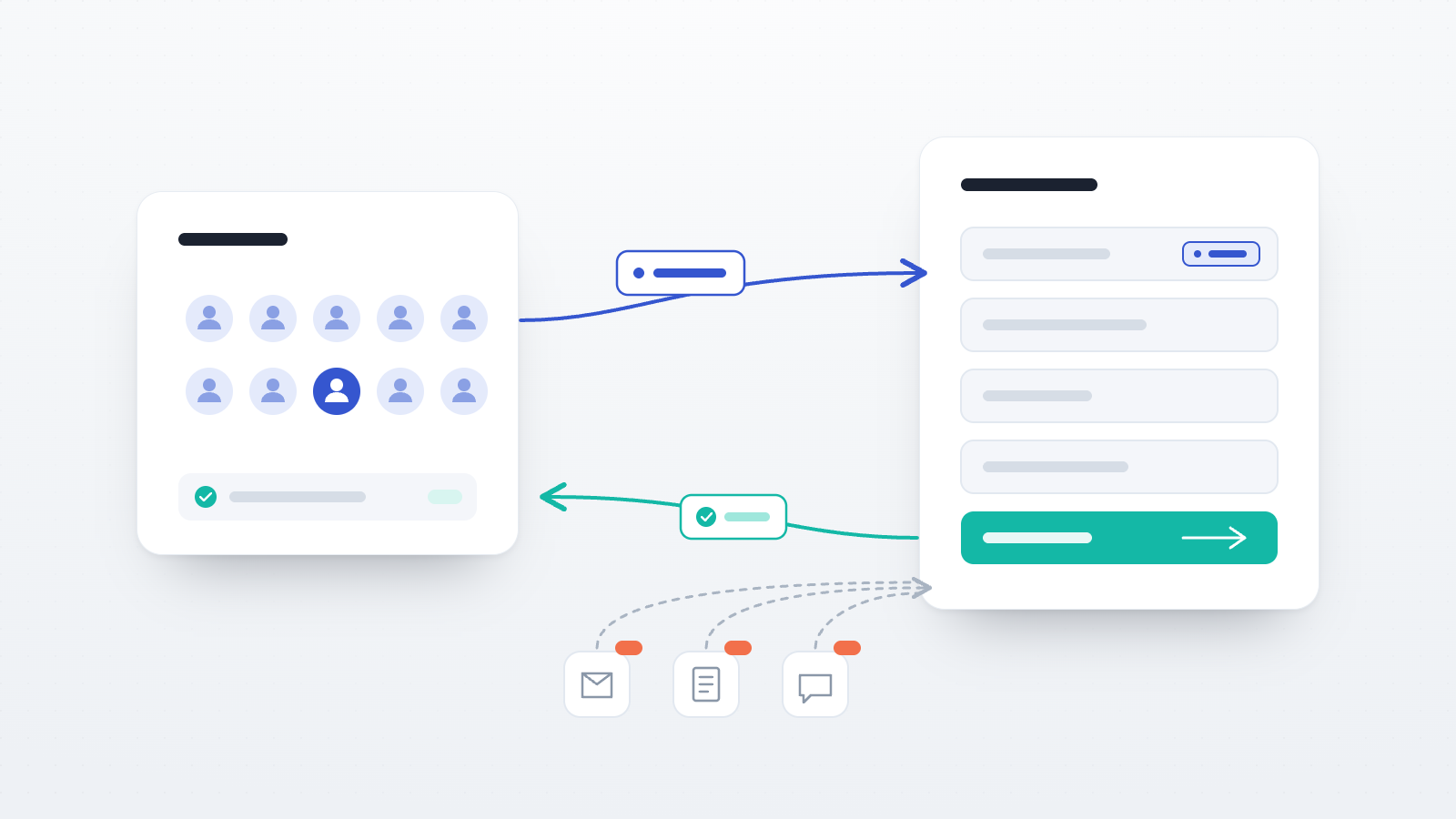
Reaching participants: Open Lab's three invitation types, and how they work alongside Prolific and other panels
Open Lab's Invitations page has three tabs: public links, direct invitations and tracking links. A panel such as Prolific or Mechanical Turk is not an alternative to any of them: the panel supplies the sample, and the invitation link is what it points at. What each invitation type is for, the two mechanisms every panel integration is built from, and the settings that break a round trip.
7 September 2026
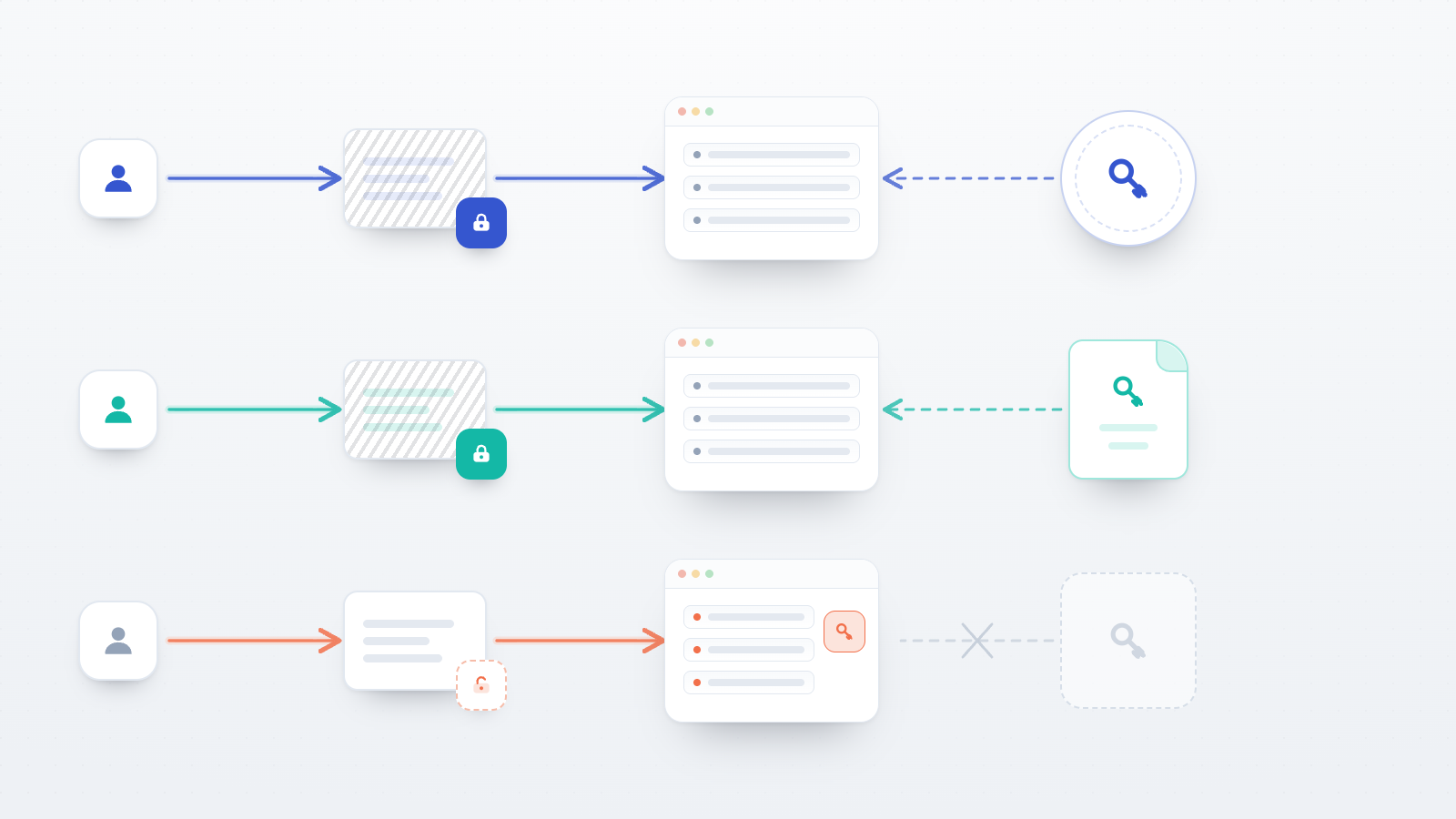
Three encryption options for online studies: what Open Lab offers and how to choose
Open Lab lets each study use one of three encryption options: end-to-end encryption with your account key, a self-managed study key you download and hold, or server-side encryption where the platform manages the keys. They differ in who can read the data, what happens if a key is lost, and how much friction they add to analysis.
24 August 2026
Two ways to study misinformation in a browser: what recent paradigm designs actually do
Two 2026 Scientific Reports papers, both built in lab.js, take opposite routes to the same problem. One streams real news as it is published and has a language model generate the false variants; the other renders a classic laboratory paradigm as Instagram posts and manipulates the like counts. Both are worth reading as engineering, not only as findings.
17 August 2026
Piloting before you launch: what Preview, Test run, and Try demo each check
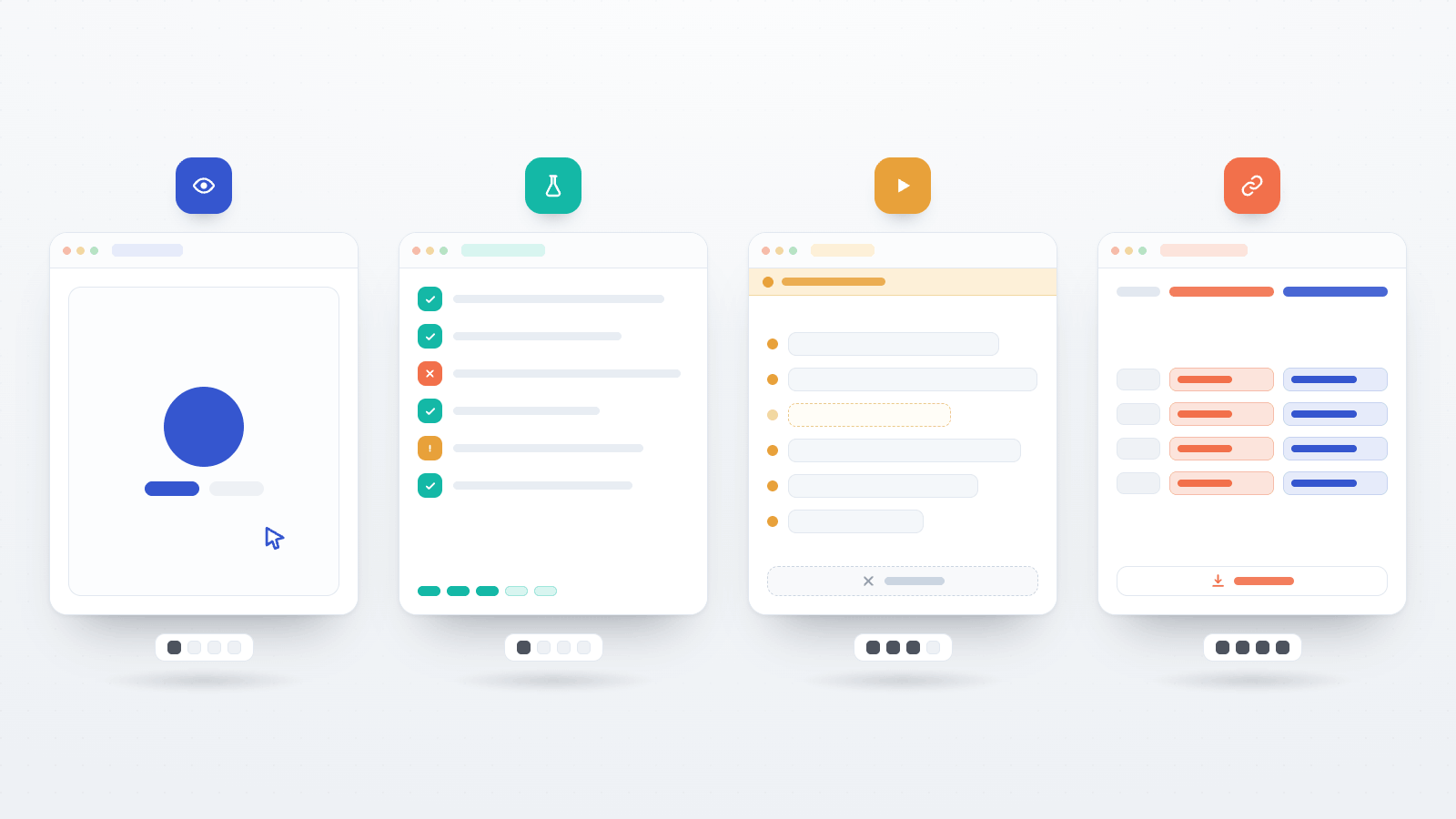
Open Lab has three separate ways to run a study before participants do, and they check different things. Preview shows one task in its current editor state, Test run auto-plays it and reports mechanical failures, and Try demo walks the whole flow end to end. None saves data, and completion codes, link parameters, condition balance and quality signals appear only on a real participant link.
10 August 2026
Between-subjects randomization for online studies
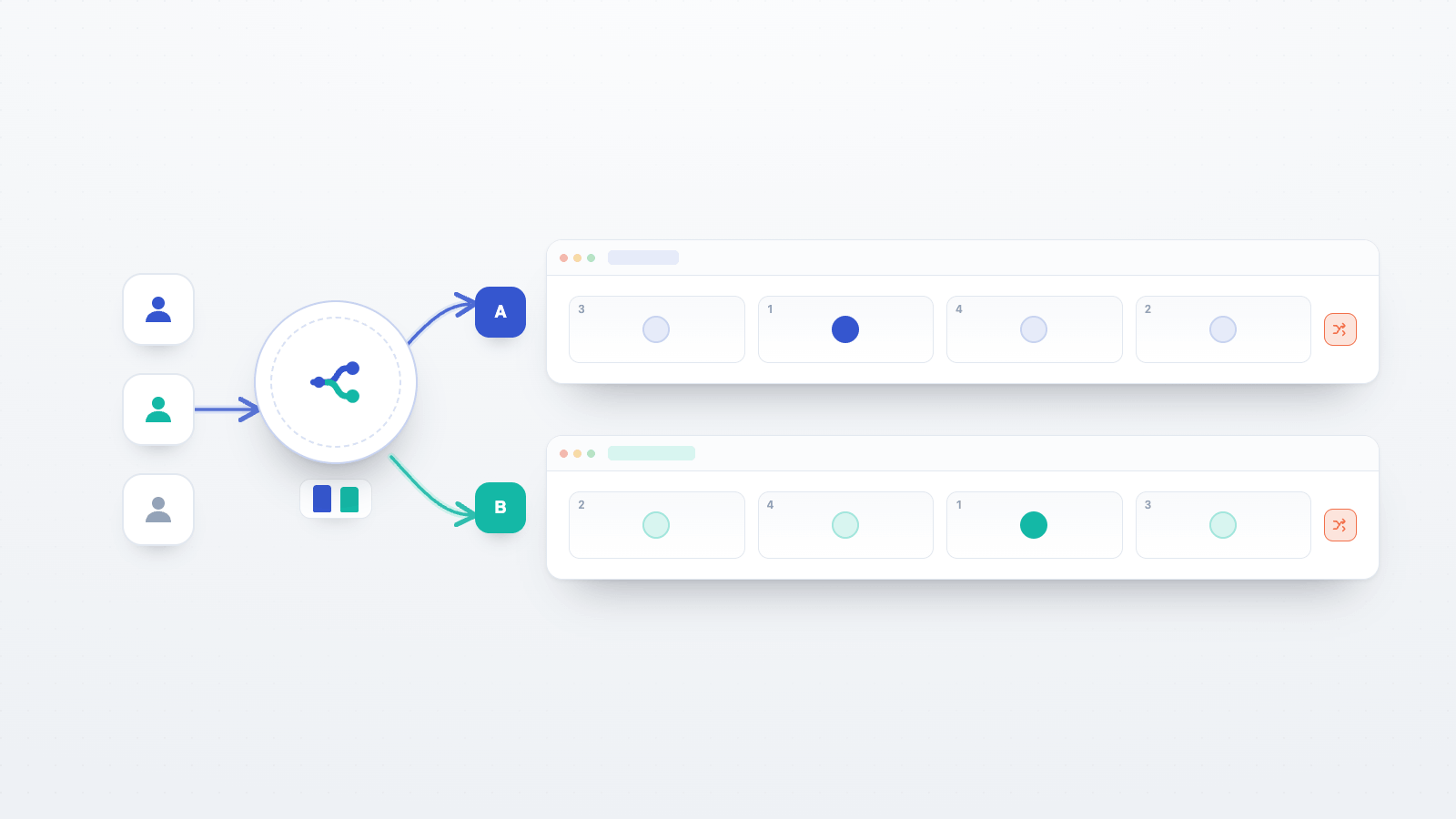
Multi-condition designs raise one question everything else hangs on: where does the randomization actually happen? A concrete guide to splitting the work — assign the condition at the study level in Open Lab, randomize the order within it in the lab.js task — and to why Open Lab's minimization-based assignment keeps your groups balanced even at small samples.
20 July 2026

Running a study in kiosk mode: what the methods literature says about one shared device, many participants
Between the controlled lab and the open web sits a third setting — one shared station where people take part one after another, in person. Here is what the web-experimental methods literature actually supports about doing it well, and how Open Lab's Box / kiosk mode maps onto it.
1 July 2026