Research Tools
11 posts tagged with “Research Tools”
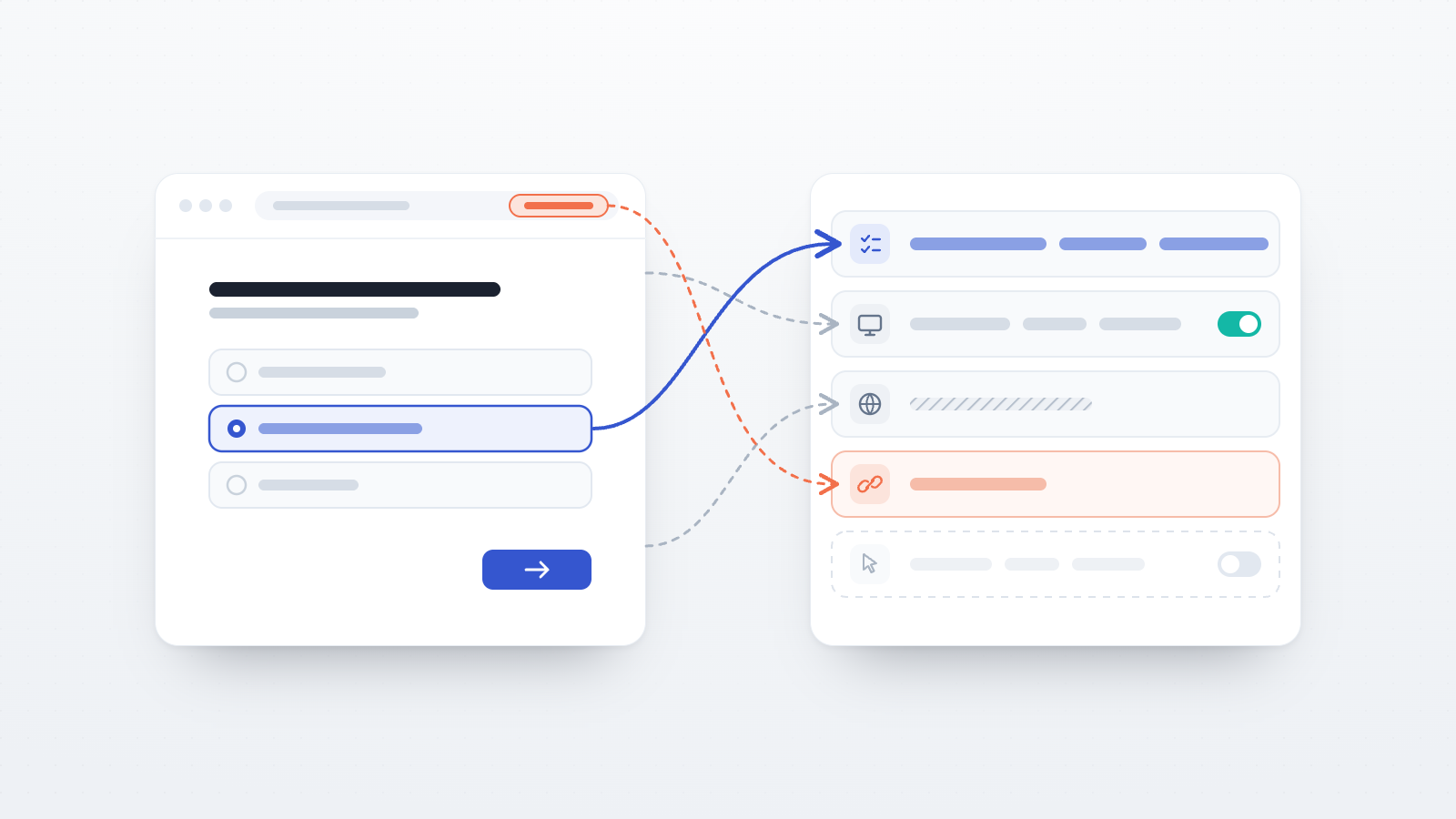
A researcher's guide to GDPR-compliant online data collection
An overview of the GDPR provisions that apply to a browser-based study: who is responsible for the data, which legal basis to use, what participants must be told, what an online study records without being asked, where the data are stored, and what to put in an ethics application.
5 October 2026
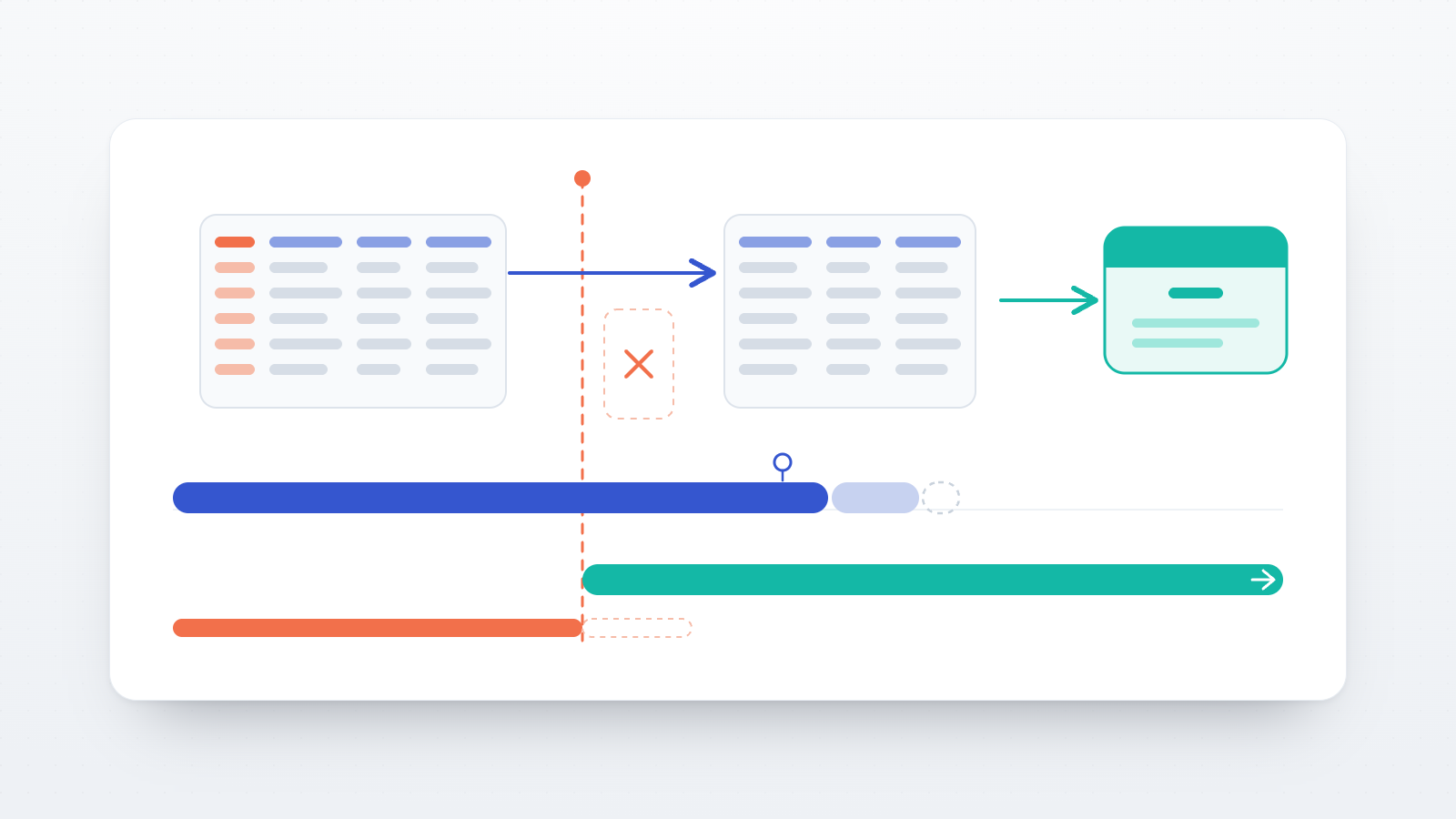
Data retention and the right to erasure in practice
How long study data may be kept, when a participant can have it deleted, and where the research exceptions in the GDPR apply. With the retention and deletion options in Open Lab, and what to write in an ethics application.
5 October 2026
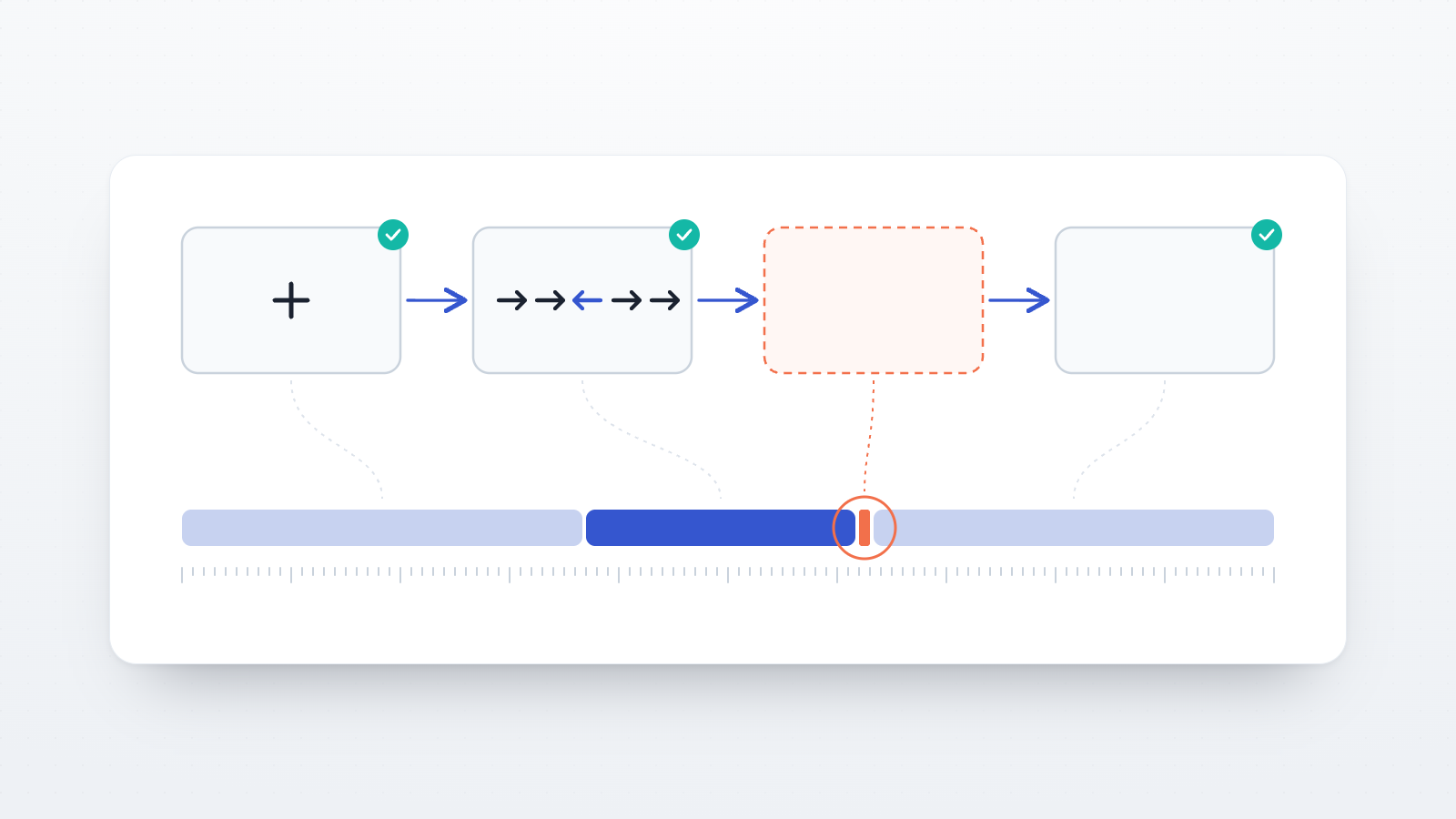
Checking a lab.js task before data collection: a worked example with the flanker task
A task that runs is not necessarily a task that records what the analysis needs. This post walks through the checks Open Lab runs on every Task Library paradigm, using the flanker task as the example: a complete automated run, measured screen durations, a run with skipped trials, a codebook, and a list of limitations.
1 October 2026
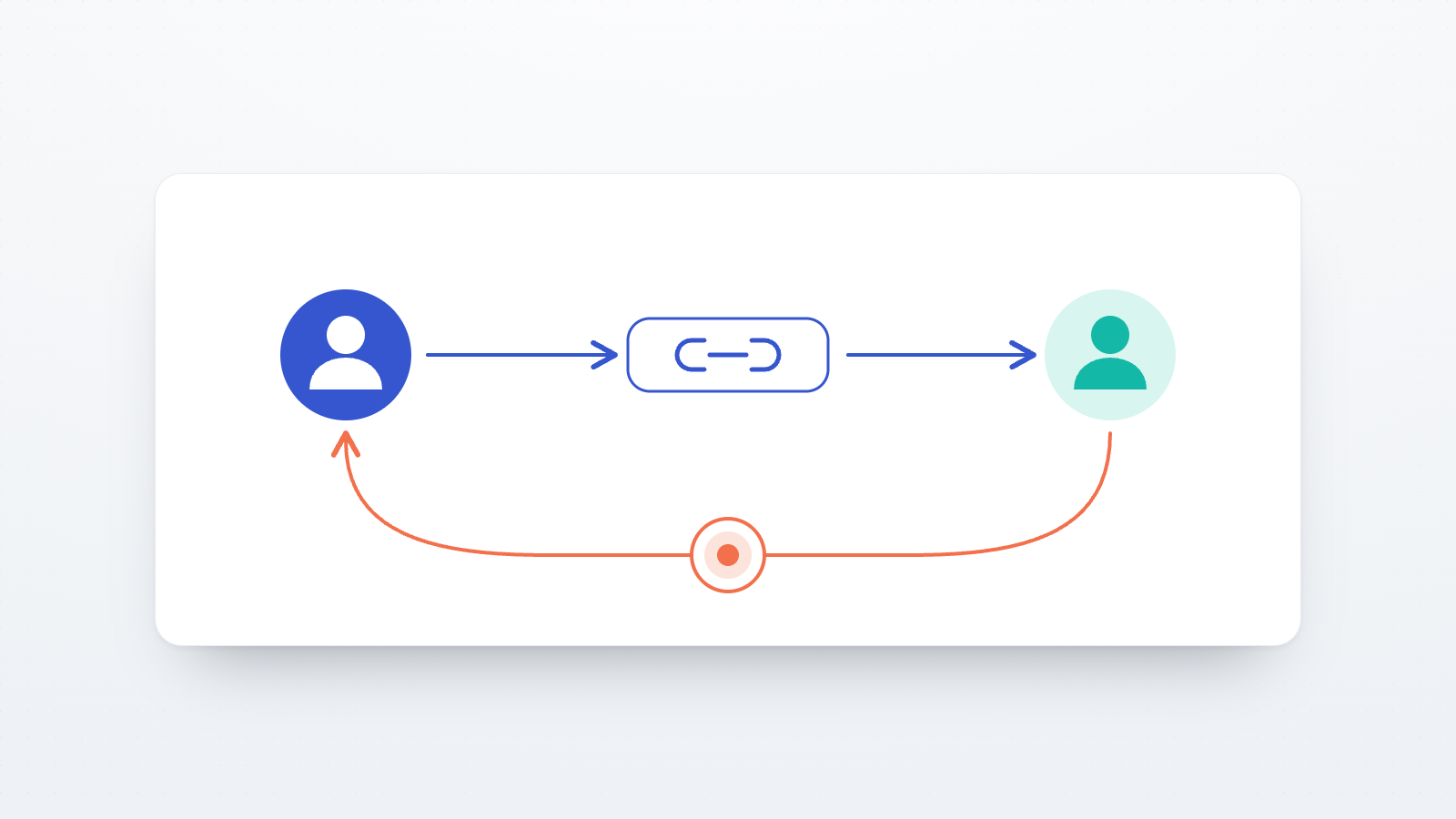
Referral program: a longer Pro trial for colleagues you invite, and account credit for you
Researchers who sign up through a referral link now get a 30-day Pro trial instead of 14 days. The researcher who shared the link receives €10 in account credit when the new account starts a paid plan. How the links work and where to find them.
28 September 2026
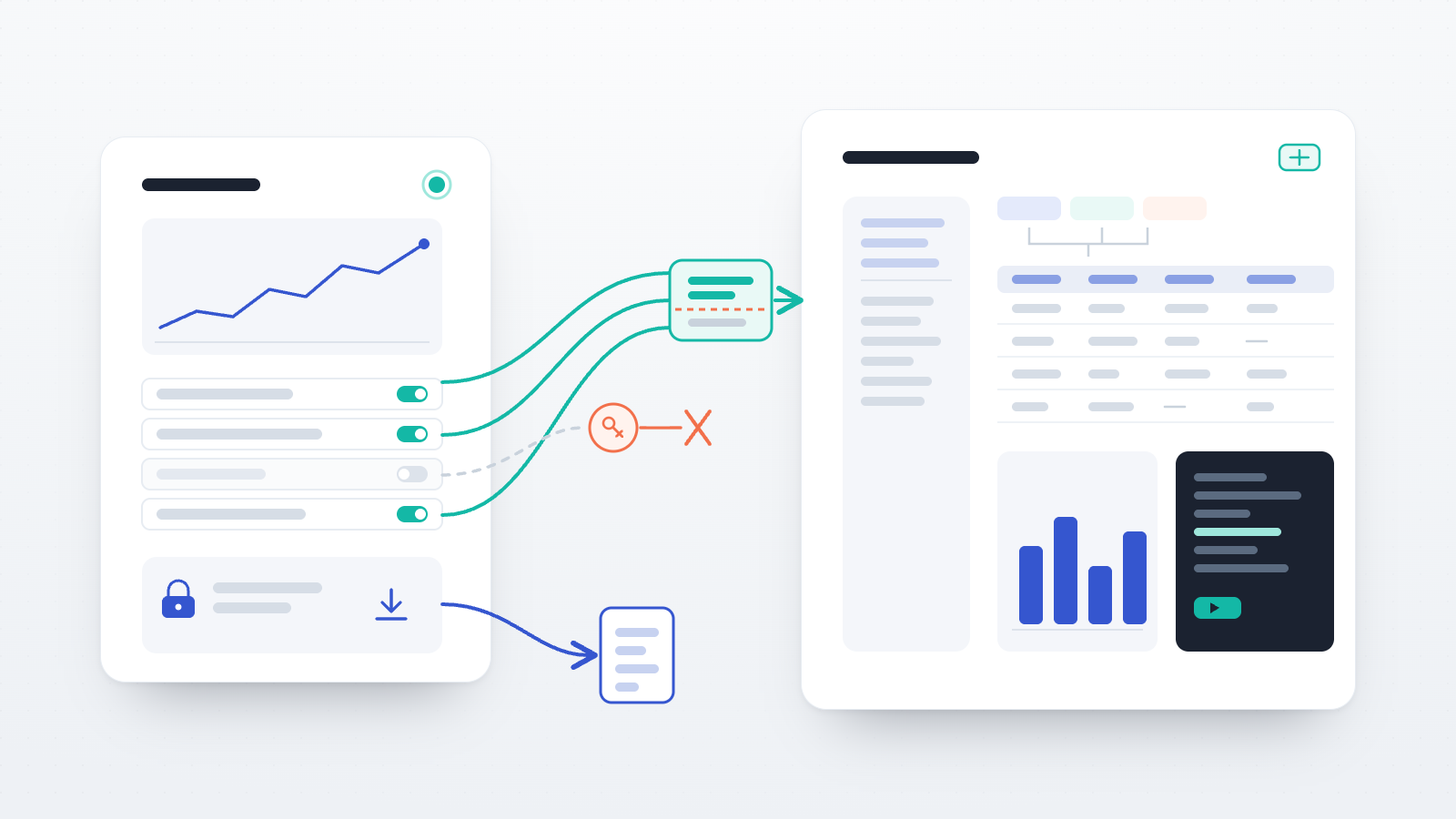
From collected sessions to analysis: the per-study Data view and the Data Explorer
Open Lab has two analysis surfaces: the per-study Data view, which monitors, decrypts and exports one study, and the Data Explorer, which loads trial events from several studies into a DuckDB database inside your browser. What each can see, why end-to-end encrypted studies are skipped, and why the plan row caps truncate rather than sample.
14 September 2026
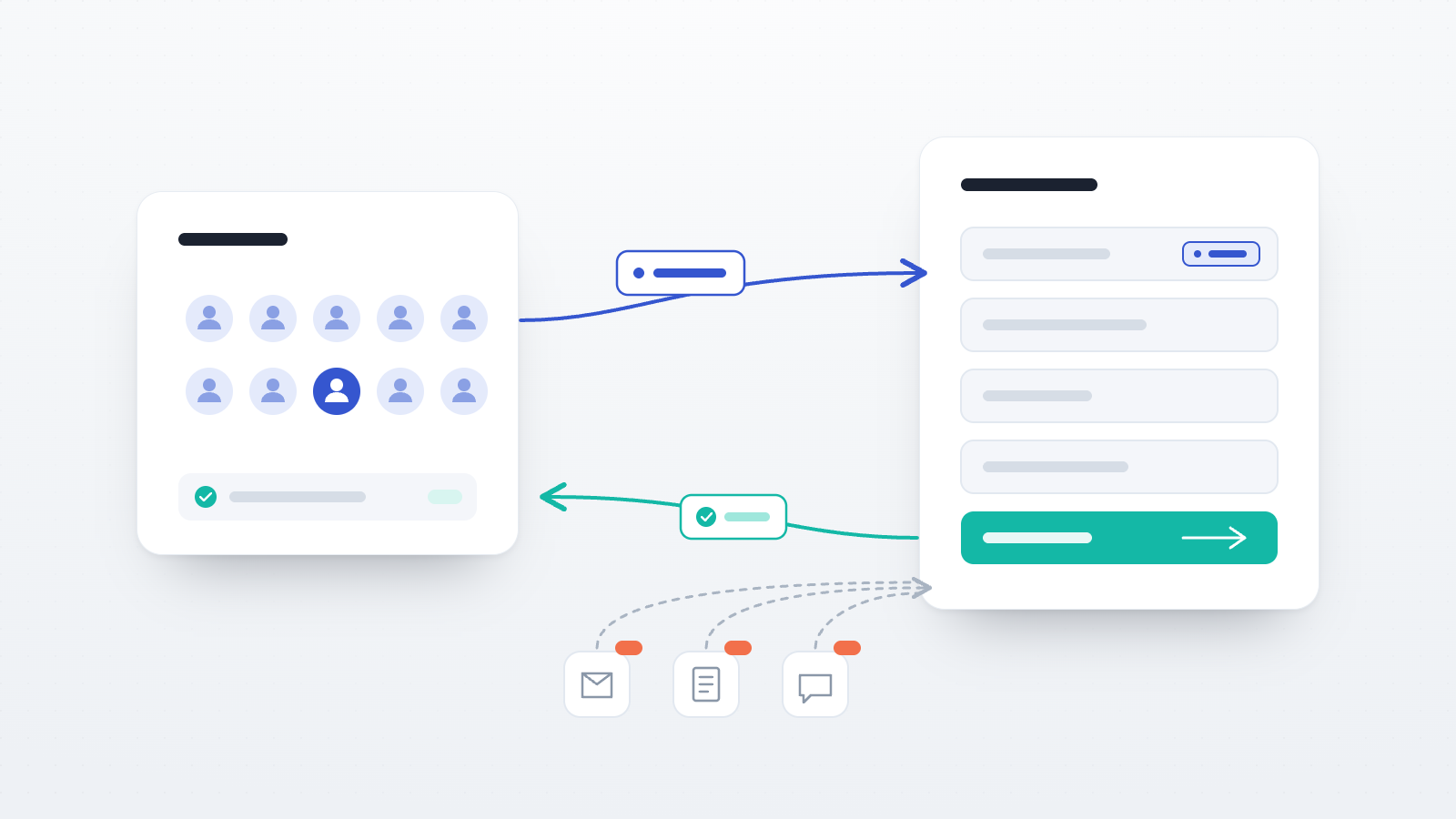
Reaching participants: Open Lab's three invitation types, and how they work alongside Prolific and other panels
Open Lab's Invitations page has three tabs: public links, direct invitations and tracking links. A panel such as Prolific or Mechanical Turk is not an alternative to any of them: the panel supplies the sample, and the invitation link is what it points at. What each invitation type is for, the two mechanisms every panel integration is built from, and the settings that break a round trip.
7 September 2026
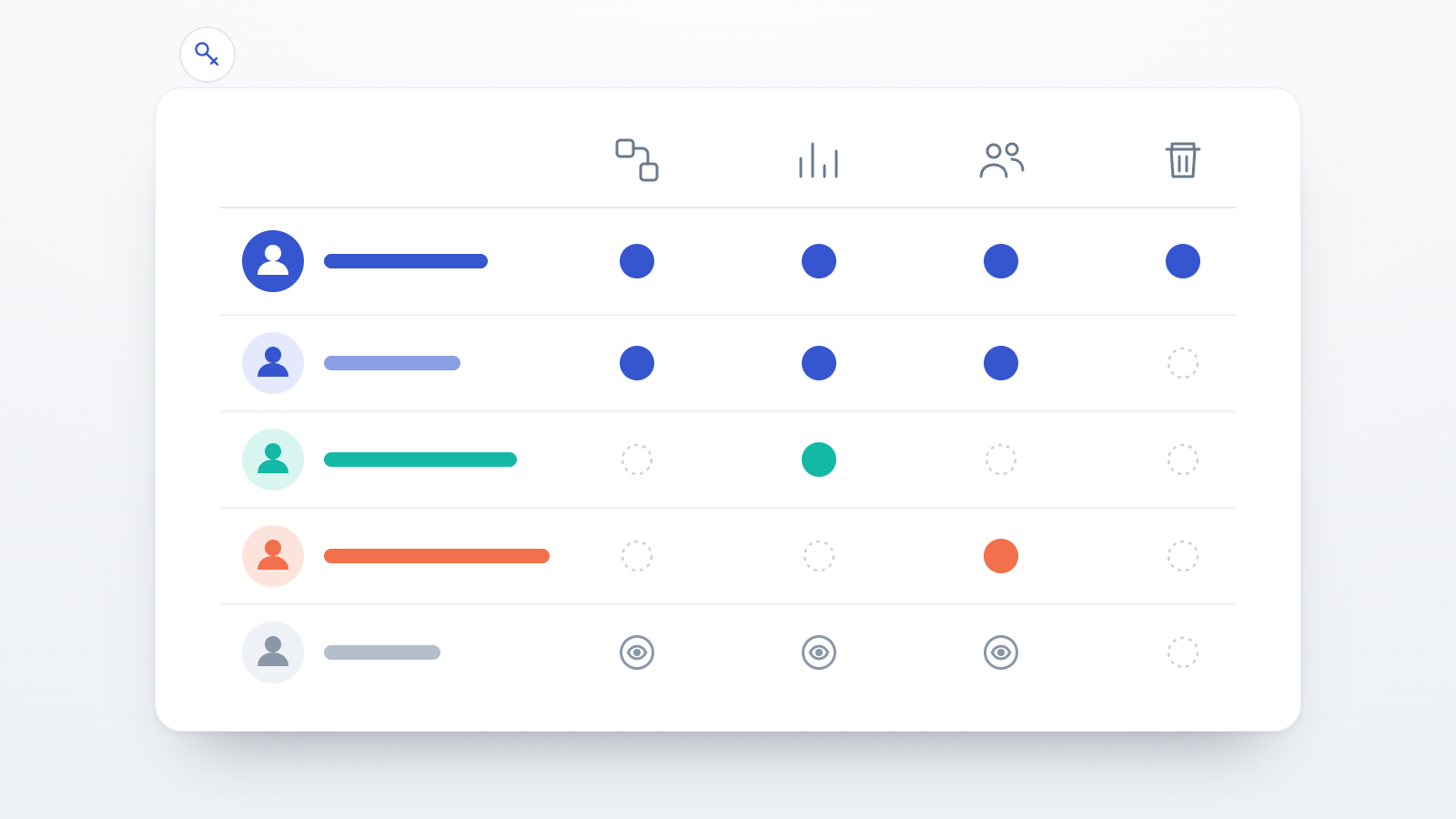
Project roles in Open Lab: what Owner, Editor, Data Analyst, Participant Manager and Viewer can each do
Open Lab scopes collaborator access with five project roles. Editing a study is limited to Owner and Editor, deleting one to Owner, the participant list to Owner, Editor and Participant Manager, and the data to everyone except Participant Manager. The boundaries are enforced in the API's access filters rather than by hiding buttons, and roles alone do not grant decryption on an encrypted study.
31 August 2026
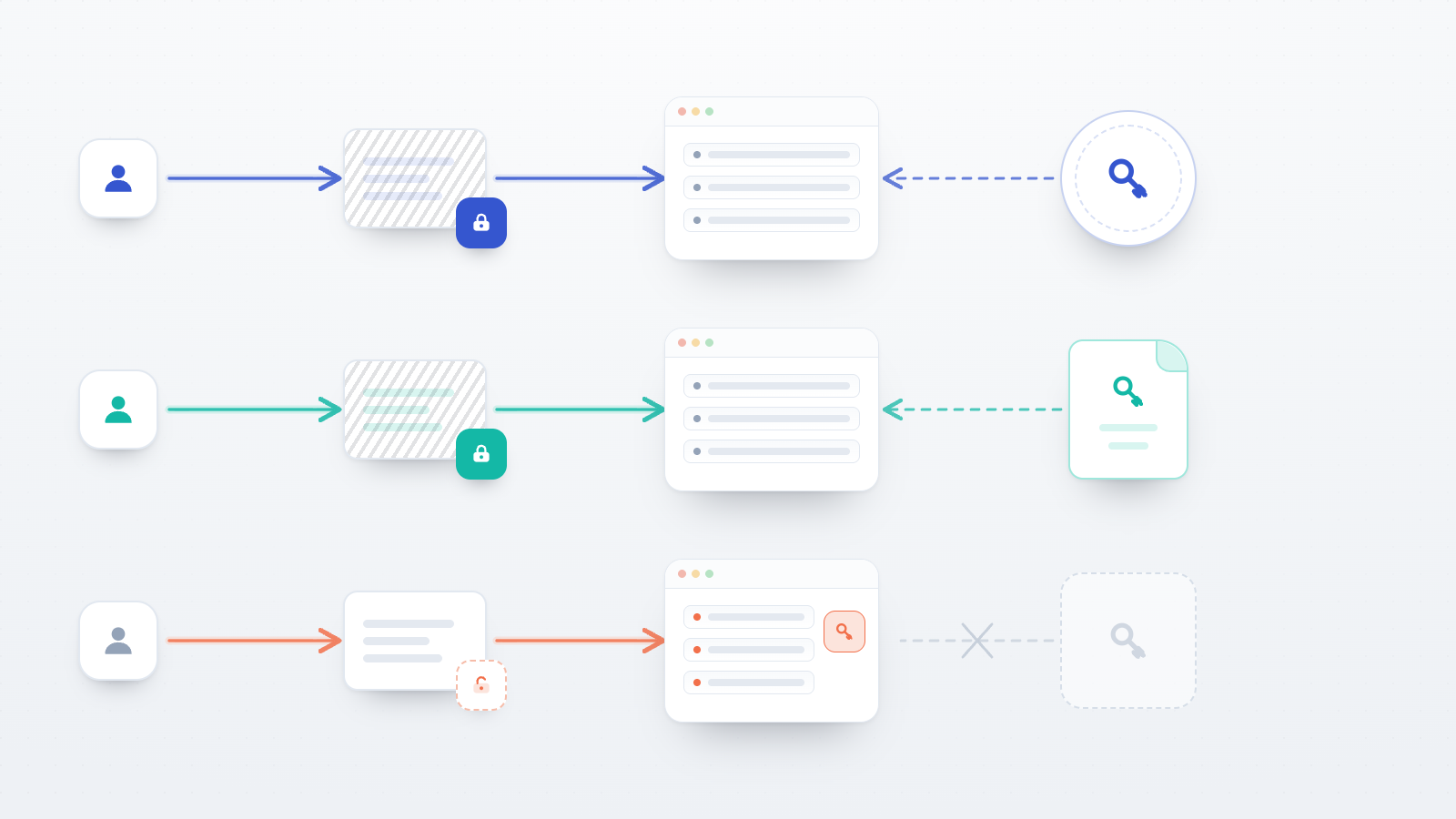
Three encryption options for online studies: what Open Lab offers and how to choose
Open Lab lets each study use one of three encryption options: end-to-end encryption with your account key, a self-managed study key you download and hold, or server-side encryption where the platform manages the keys. They differ in who can read the data, what happens if a key is lost, and how much friction they add to analysis.
24 August 2026
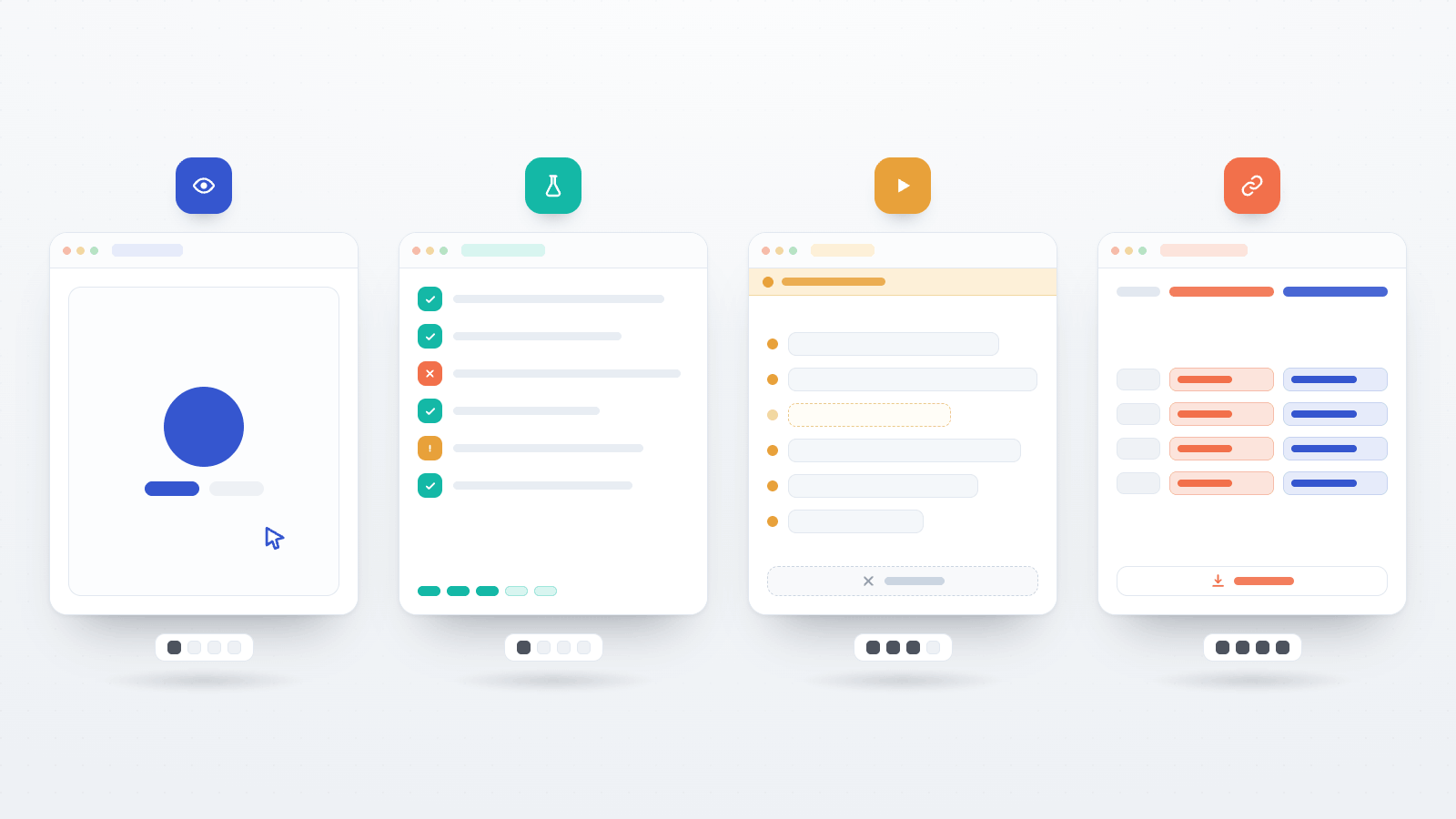
Piloting before you launch: what Preview, Test run, and Try demo each check
Open Lab has three separate ways to run a study before participants do, and they check different things. Preview shows one task in its current editor state, Test run auto-plays it and reports mechanical failures, and Try demo walks the whole flow end to end. None saves data, and completion codes, link parameters, condition balance and quality signals appear only on a real participant link.
10 August 2026
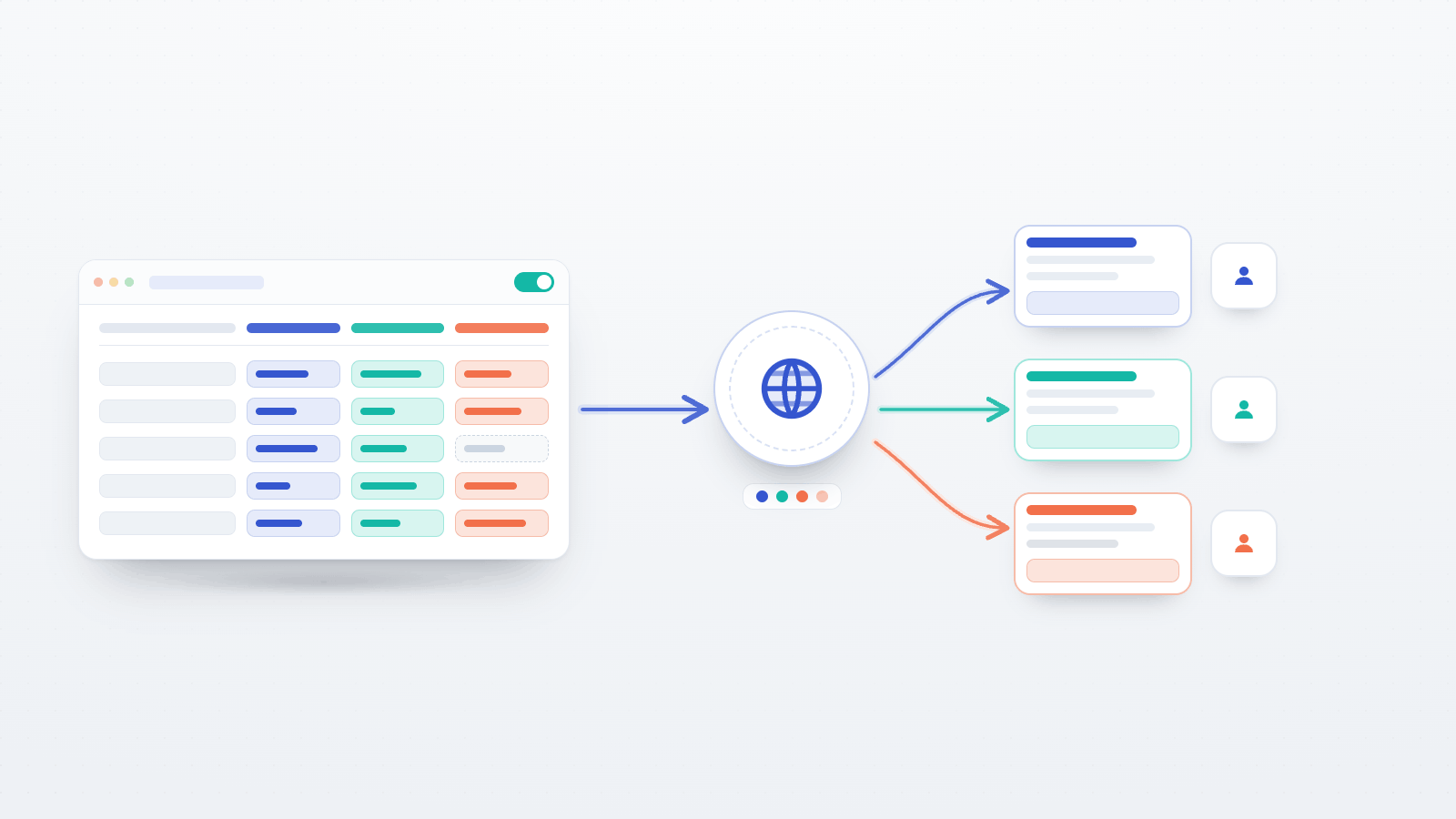
Running one paradigm across language groups: what Open Lab translates and what stays your job
Collecting the same task from German, Portuguese, and Japanese samples does not require a separate study per language. Translations attach to the task rather than the study, each participant's browser selects the version they see, and the parts that still need scientific judgment — stimulus equivalence, back-translation, language-group analysis — remain yours.
3 August 2026
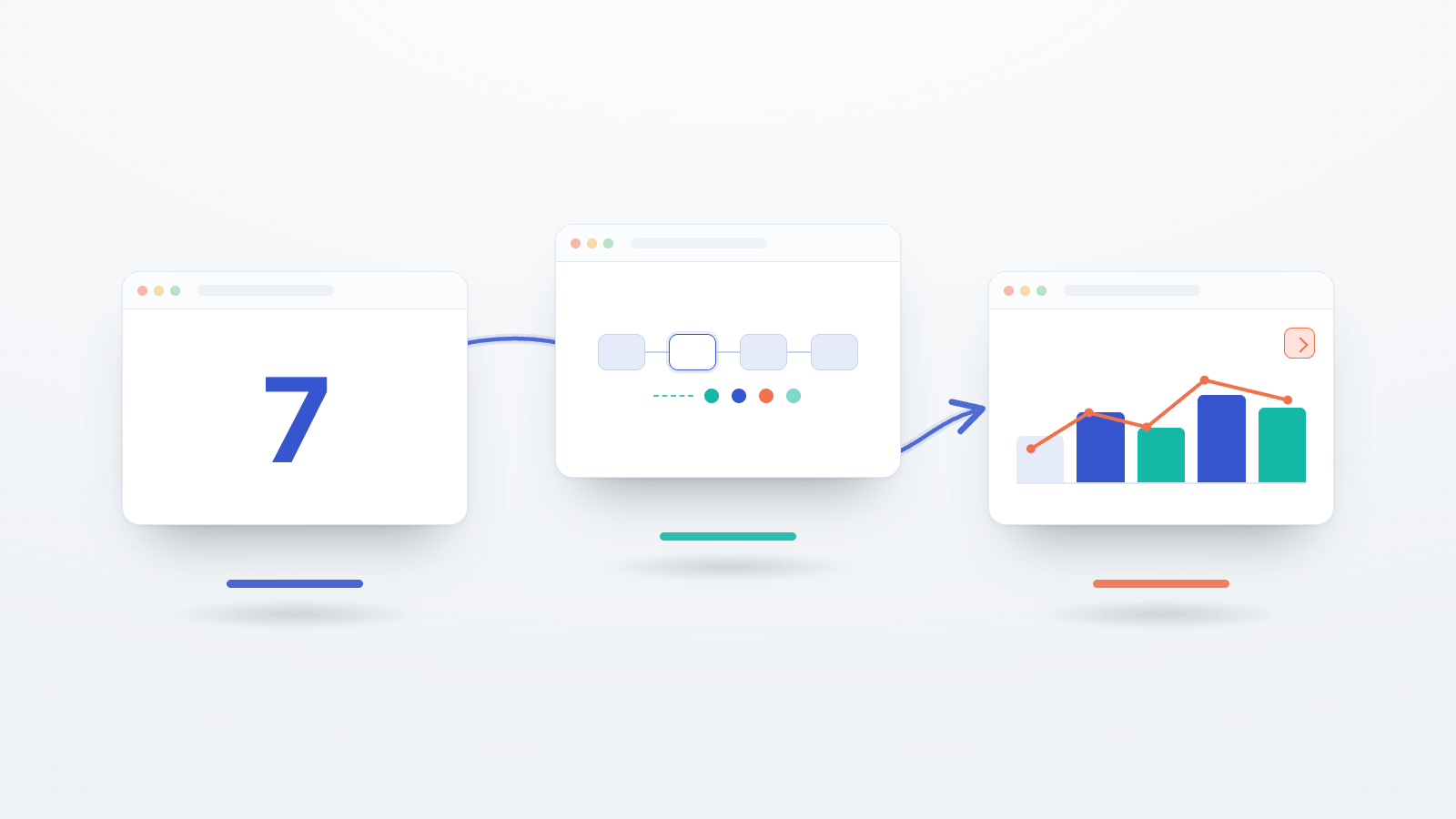
Running a lab.js experiment online, end-to-end
A start-to-finish walkthrough of taking a behavioural experiment online — build the task in lab.js, wrap it as a study in Open Lab, recruit participants, and export clean data to analyse — held together by the Task → Study → Project model.
13 July 2026